What is AI? Understanding Artificial Intelligence, Its Impact on Work and the Future
Artificial Intelligence (AI) has become one of the most discussed technologies of the modern era. It is increasingly influencing the way we communicate, work, access services and make decisions.
From smartphones and online banking to healthcare, manufacturing and telecommunications, AI and digital systems are already becoming part of everyday life.
However, despite the increasing use of the term “AI”, there is often confusion about what it actually means. Some people imagine AI as a human-like machine capable of independent thought, while others describe any computer system or automated process as AI.
The reality is more complex.
AI is a powerful set of technologies that can bring significant benefits to society, but it also creates important questions about employment, privacy, workplace rights and who controls the technology shaping our future.
What is Artificial Intelligence?
Artificial intelligence is a broad term for machine-based systems that, for human-defined objectives, can make predictions, recommendations or decisions that influence real or virtual environments.
These tasks can include:
- Understanding and generating language
- Recognising patterns
- Analysing information
- Identifying images and sounds
- Making predictions
- Supporting decision-making
- Learning from data
Modern AI systems can process enormous amounts of information far faster than humans and can identify patterns that may not be obvious.
For example, AI can help doctors detect diseases, assist engineers in solving technical problems, or help businesses analyse customer demand.
Modern AI systems do not possess human consciousness, emotions or lived experience. Although some systems can produce outputs that appear to demonstrate reasoning or common-sense understanding, they do so through computational processes and learned patterns.
Common Misconceptions About AI
Not everything digital is AI
A common misunderstanding is that every computer system or automated process is artificial intelligence. A simple algorithm is not necessarily AI. An algorithm is simply a set of instructions that tells a computer how to complete a task.
Examples include:
- A calculator performing mathematical operations
- A traffic light changing according to programmed timings
- A system automatically sorting emails
These systems follow instructions but do not learn or adapt.
Algorithms, Automation and Machine Learning – What is the Difference?
Algorithms
An algorithm is a fixed process used to solve a problem.
For example:
“If a customer’s account balance falls below a certain level, send an alert.”
The system follows a predefined rule.
Automation
Automation involves technology completing tasks with limited human involvement.
Examples include:
- Automated production systems
- Online payment processing
- Automatic document checking
Many automated systems do not involve AI because they simply repeat programmed actions.
Machine Learning
Machine learning is one of the main areas of AI.
Instead of being programmed with every possible situation, a machine-learning system normally analyses large amounts of data and learns patterns from examples to improve the performance on a task, without the need of explicit programming for every possible event.
For example, rather than telling a system every possible type of fraudulent transaction, it can analyse millions of previous transactions and identify patterns associated with fraud.
Generative AI
Generative AI is a newer development that can create new content, including:
- Written text
- Images
- Computer code
- Audio
- Video
These systems can produce remarkably human-like results, but they are not “thinking” or creating in the same way a person does. They are predicting patterns based on the information they have learned from.
AI and the Future of Employment
One of the biggest concerns about AI is its impact on jobs.
Throughout history, technology has changed the nature of work. The industrial revolution transformed manufacturing, computers changed office work, and the internet completely changed communication.
AI is likely to create similar changes, but with one major difference: it can affect not only physical jobs but also many forms of office-based and professional work.
The important question is not simply:
“Will AI replace jobs?”
The more important question is:
“How will AI change jobs, and who will benefit from those changes?”
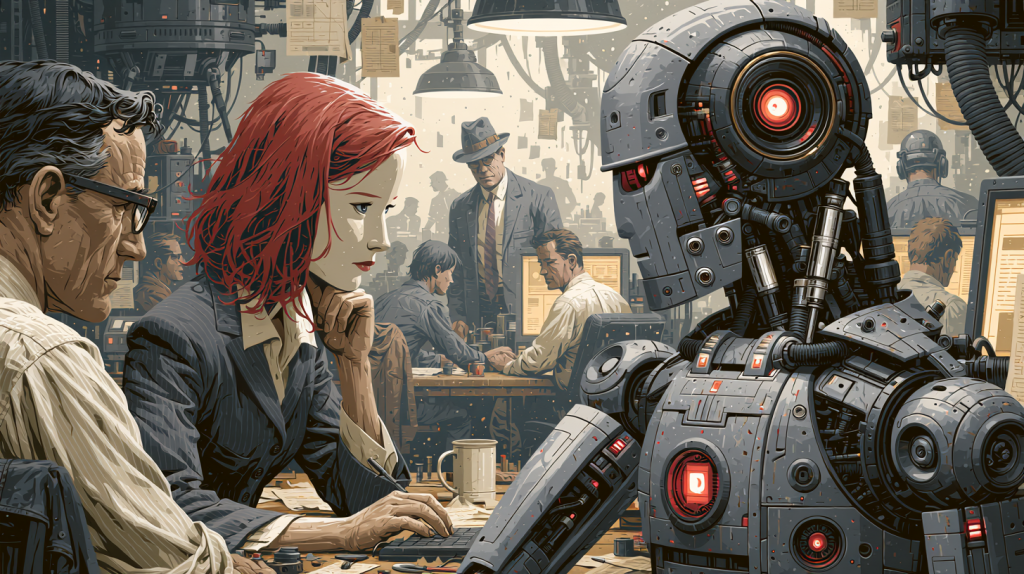
Which Areas of Work Are Most At Risk?
AI is most likely to affect roles involving repetitive, predictable tasks and large amounts of information processing.
These include:
Contact Centres and Customer Services
AI systems can already:
- Answer routine enquiries
- Analyse customer conversations
- Suggest responses to employees
- Identify patterns in performance data
- Support or automate aspects of performance monitoring
While AI may help staff deal with enquiries more efficiently, there are concerns that excessive monitoring could remove human judgement and increase pressure on employees.
Administration and Office-Based Work
AI can assist with:
- Producing reports
- Processing documents
- Managing information
- Scheduling tasks
Some routine administrative activities may become automated, meaning workers may need opportunities to develop new skills.
Telecoms and Field Operations
Within telecoms, AI and digital systems are already influencing areas such as:
- Network management
- Fault prediction
- Scheduling
- Performance monitoring
- Customer service processes
These technologies may bring improvements, but they must be introduced in a way that supports workers rather than simply increasing workload and reducing autonomy.
AI, Workplace Monitoring and Surveillance
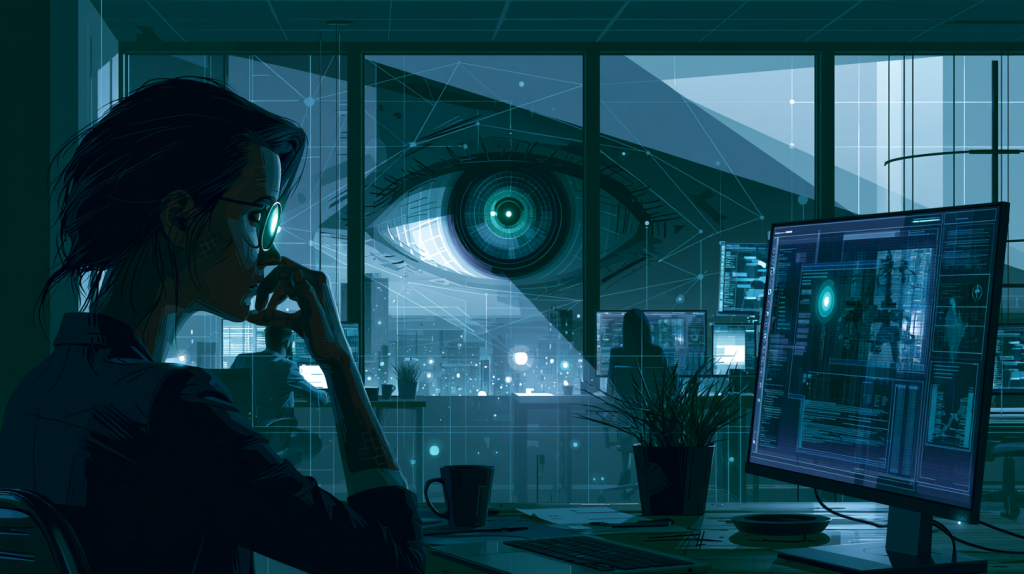
One of the most significant concerns about AI in the workplace is the increased ability to monitor employees.
Digital systems can collect and analyse information about:
- Productivity
- Work patterns
- Response times
- Customer interactions
- Task completion
Used properly, this technology could identify problems, improve support and help organisations work more effectively.
However, there is a real risk that AI becomes a tool for excessive surveillance rather than workplace improvement.
Workers may find themselves increasingly expected to “please the machine” rather than being judged by their skills, experience and professional judgement.
An algorithm does not understand every circumstance behind a person’s performance
.
For example, it may not recognise:
- A difficult customer interaction
- A technical issue affecting performance
- Additional responsibilities being undertaken
- The complexity of a particular task
If AI systems are used to automatically identify “poor performance” or trigger disciplinary action without an independent and competent human oversight, workers’ rights and fairness could be undermined.
Why Worker Voice Matters
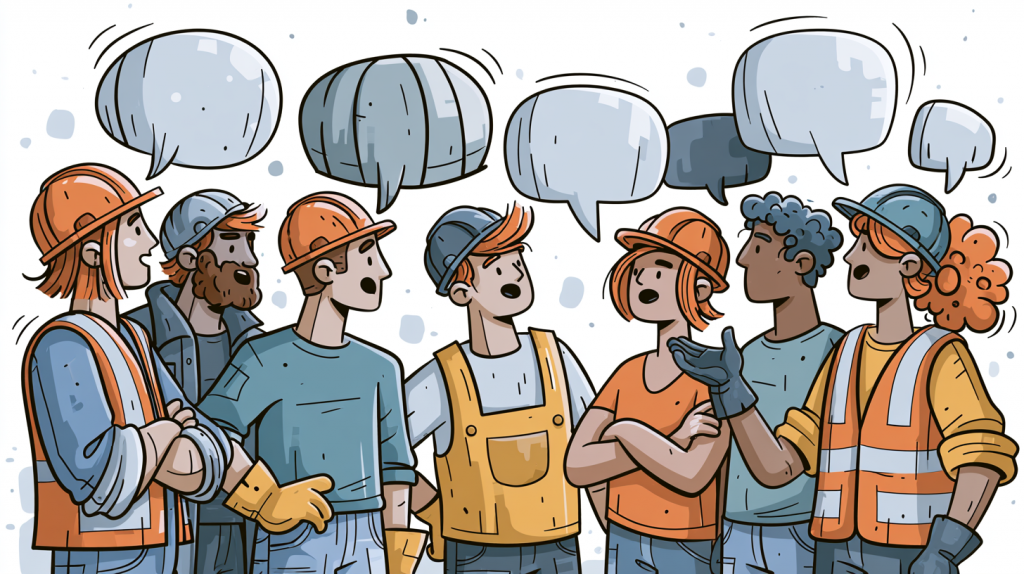
The introduction of AI into workplaces cannot be left solely to employers and technology providers.
In telecoms and financial services, has identified more than 50 AI and digital systems across the Telecoms and Financial Services sectors, with more expected.
Research among CWU Telecoms and Financial Services members has highlighted significant concerns:
- 79.3% of members are unaware of new technology at work and their ability to challenge it
- 95% have not tried to obtain information about how a particular technology works
- 77% of members have not given consent before their employer introduced new technology at work
- 80% of T&FS members do not trust the advancement of technological advances in T&FS workplaces
These concerns highlight the importance of workers having a meaningful voice in how AI is designed and implemented.
Technology should work with people, not simply be imposed upon them.
A Fair Bargaining Approach
Workers should have a say throughout the entire lifecycle of AI systems, including:
- How systems are designed
- How they are introduced
- How they are monitored
- How decisions are made
Key principles should include:
- Transparency about AI systems
- Workplace risk assessments
- Protection of jobs
- Redeployment and skills development
- Data protection and limits on surveillance
- Human involvement in important decisions
- The ability to challenge unfair outcomes
The Positive Benefits of AI
AI is not simply a threat. Used responsibly, it can provide significant benefits.
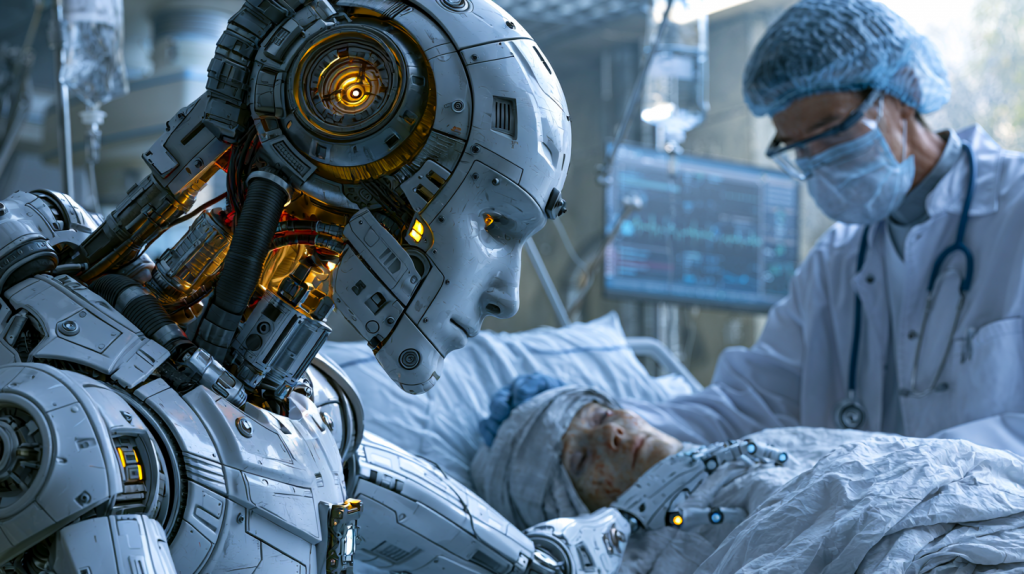
Healthcare
AI can help:
- Detect illnesses earlier
- Support medical research
- Improve diagnosis
Education

AI can provide:
- Personalised learning
- Additional support for students
- Easier access to information
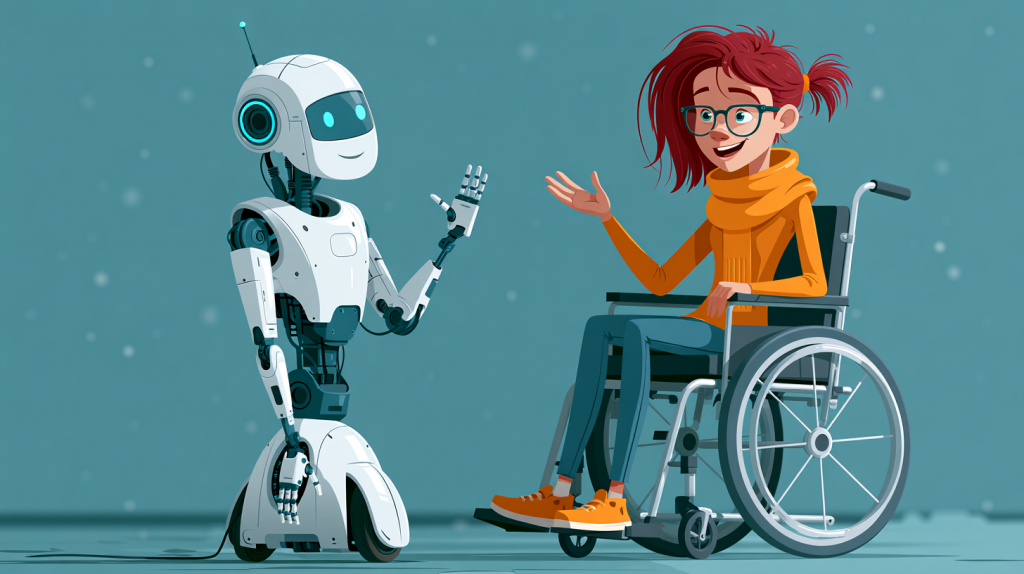
Accessibility
AI can improve independence through:
- Speech recognition
- Translation
- Assistive technologies
The Workplace

AI has the potential to:
- Remove repetitive tasks
- Improve safety
- Support decision-making
- Give workers better information
The goal should be to use AI to enhance human skills, not replace human value.
The Next Generation of AI
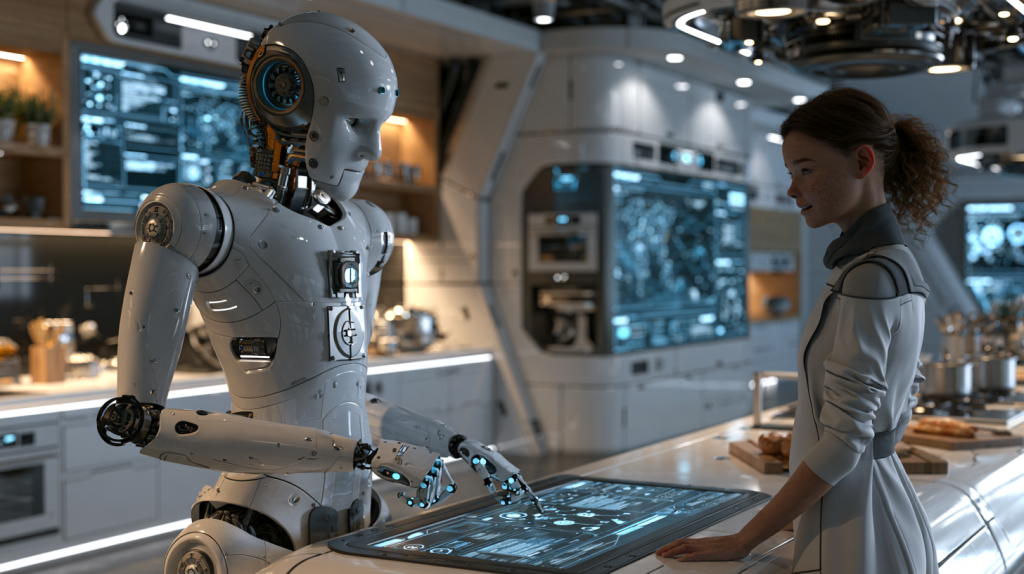
Today’s AI systems are powerful, but they are still limited.
Future generations of AI may become capable of:
- More advanced reasoning
- Understanding complex situations
- Solving difficult scientific problems
- Assisting with research and innovation
- Working across many different areas of knowledge
One possible future development is Artificial General Intelligence (AGI).
AGI describes a theoretical form of AI that could perform a wide range of intellectual tasks at a level comparable to humans.
Unlike current AI, which is usually designed for specific purposes, AGI could potentially adapt to new challenges and learn across different areas.
The Future: Human Skills and Artificial Intelligence Working Together
The future of AI is not simply about machines replacing people.
The biggest challenge will be ensuring that AI develops in a way that benefits society as a whole.
The choices made today about:
- Worker involvement
- Transparency
- Privacy
- Training
- Fairness
- Accountability
will determine how AI affects future generations.
AI should be a tool that empowers people, improves working lives and creates new opportunities.
The future should not be about humans competing against machines.
It should be about ensuring that technology works for people.
Artificial Intelligence will undoubtedly continue to transform the way we work and live, bringing opportunities to improve services, increase efficiency and support people in new ways. However, the introduction of AI must not come at the expense of workers’ rights, job security or dignity at work. The CWU believes that technology should be developed with workers, not imposed upon them. Those who are affected by AI systems must have a meaningful voice in how they are designed, introduced and managed, with clear safeguards around transparency, fairness, data protection and human decision-making. The future of AI should not be about replacing people or reducing workers to numbers on a screen, but about ensuring technology works for everyone, sharing its benefits fairly and creating better, more secure working lives for future generations.